


What is the difference between chow mein and lo mein? These are two iconic dishes in Chinese cuisine. Let's dive into what makes them different.
The short answer: the difference is how the noodles are cooked, not the noodles themselves. Chow mein noodles are par cooked and then stir fried, so they come out browned and a little crisp with a light coating of sauce. Lo mein noodles are fully boiled and then tossed with sauce off the heat, so they stay soft, slippery and much saucier. Order chow mein for texture and lo mein for sauce.
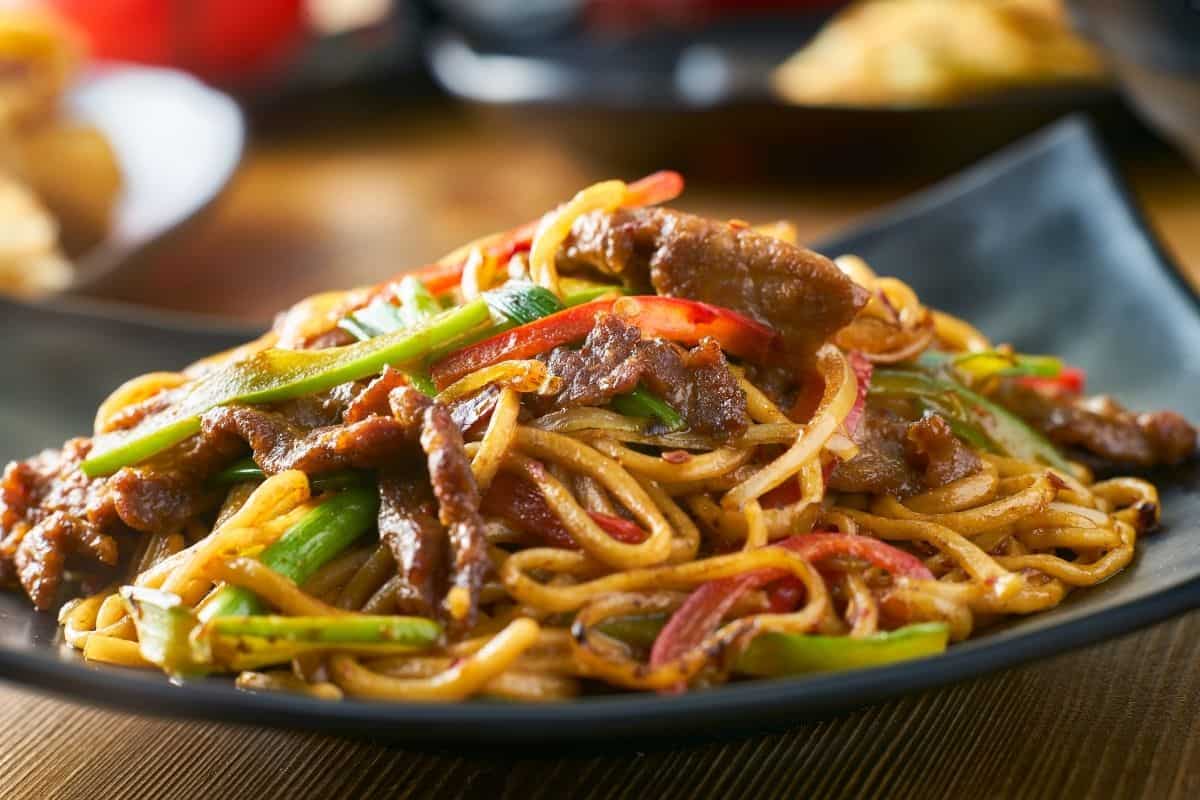
The Basics: What Are Chow Mein and Lo Mein?
Chow mein and lo mein both include noodles as their main ingredient, but they differ in how they are cooked and served.
Chow mein, which translates to “fried noodles,” is stir-fried and often has a crispy texture.


Lo mein, meaning “old noodles,” is boiled and then tossed with a sauce and other ingredients. The result is a soft, cozy dish.
The differences in cooking techniques and the final look of the recipes give each dish its own taste and texture.
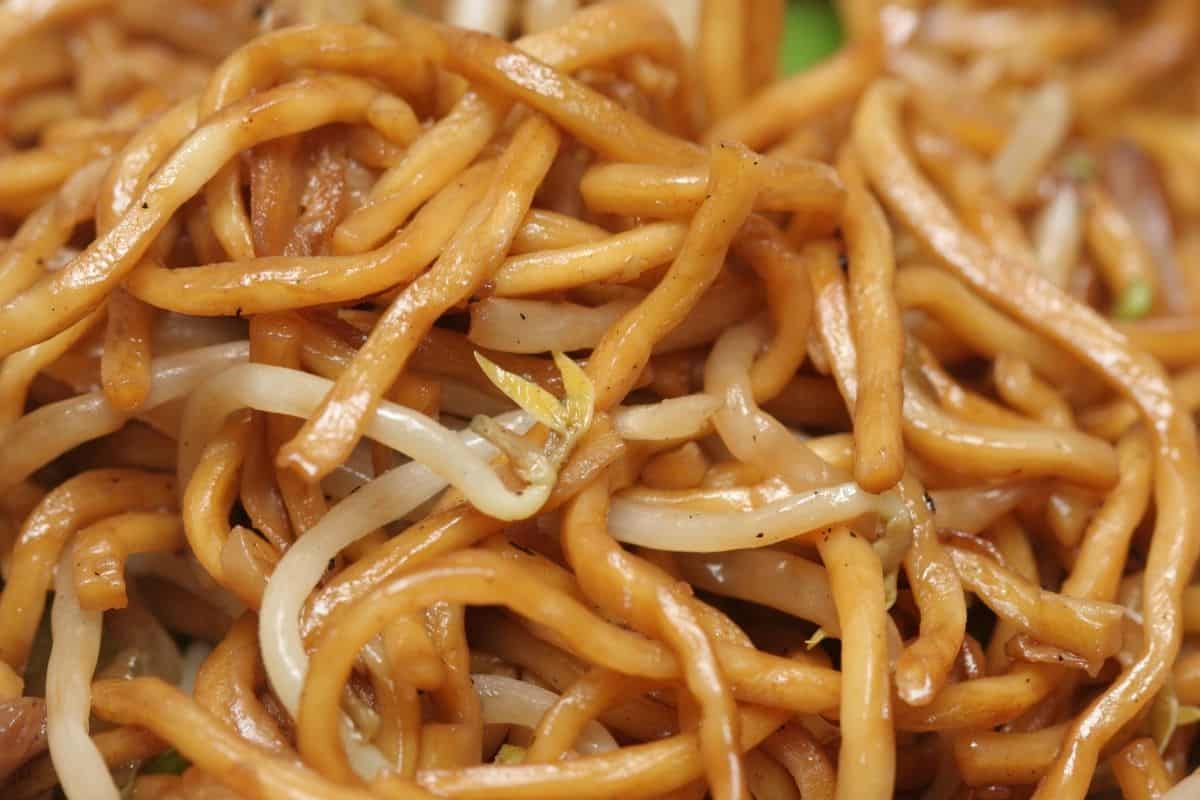
Chow Mein vs Lo Mein At A Glance
| Chow mein | Lo mein | |
|---|---|---|
| Noodle cooking | Par cooked, then stir fried | Fully boiled, then tossed |
| Texture | Browned, some crisp edges | Soft, slippery, chewy |
| Sauce | Light coating | Heavier, coats every strand |
| Heat | High heat in the wok | Mixed off the heat |
| Best for | Texture and crunch | Saucy, comforting noodles |
| Name means | Stir fried noodles | Tossed noodles |
How Are Chow Mein and Lo Mein Prepared?
The preparation process is the main difference between chow mein and lo mein. Here is a basic outline of how each dish is cooked:
Chow mein preparation
Chow mein noodles are typically stir-fried in a wok with a small amount of oil. They are cooked until crispy or left slightly soft. This depends on the region and the cook's preference.
After the noodles get fried, they are combined with a bunch of ingredients like different vegetables and protein. You will usually find chow mein made with chicken, beef, shrimp, and sometimes tofu.
The sauce used for chow mein is usually lighter than in lo mein. Chow mein also typically has a little less sauce than lo mein.

This means the noodles keep their texture and absorb enough flavor without turning soggy.

Lo mein preparation
Lo mein, on the other hand, starts with noodles that are boiled until they are soft and cooked through.
After draining, they get tossed with a delicious sauce, along with meat, vegetables, and aromatics like garlic and ginger.
The noodles soak up the sauce, which makes them tender and rich in flavor.
Lo mein is usually served with a generous portion of the sauce clinging to the noodles. The result is a smoother dish than chow mein.
Noodle Types: What’s Used in Chow Mein and Lo Mein?
Both chow mein and lo mein can be made with various noodles. The type used often depends on the dish's preparation method.
Chow Mein Noodles
Chow mein noodles are typically thin and can be either fresh or dried. They are often boiled and then stir-fried to achieve a slightly crispy texture.
In some variations, the noodles are pan-fried to create a crunchy, golden layer.

Lo Mein Noodles
Lo mein noodles are also made from wheat flour and water, but they are generally thicker and softer compared to chow mein noodles.
They are typically bought fresh or steamed before being tossed with the sauce and ingredients.
The texture of lo mein noodles lets them soak up the flavors more quickly.

Flavor: How Do Chow Mein and Lo Mein Taste?
While both dishes have savory and umami-rich flavors, the way they are prepared is different, though.
Chow Mein Flavor
The stir-frying process of chow mein gives the noodles a slightly charred, smoky taste.
This process also showcases the individual ingredients. Each veggie or protein ingredient has its own distinct flavor.
Chow mein is generally more straightforward in flavor and texture.
Lo Mein Flavor
Lo mein has a more saucy and "blended" flavor because of how much sauce it soaks up.
This recipe has a combination of ingredients in lo mein, including soy sauce, oyster sauce, and sometimes hoisin or sesame oil. These create a rich and balanced taste that coats the noodles and makes them tender.
The sauce's flavor can range from sweet and tangy to more savory and spicy.
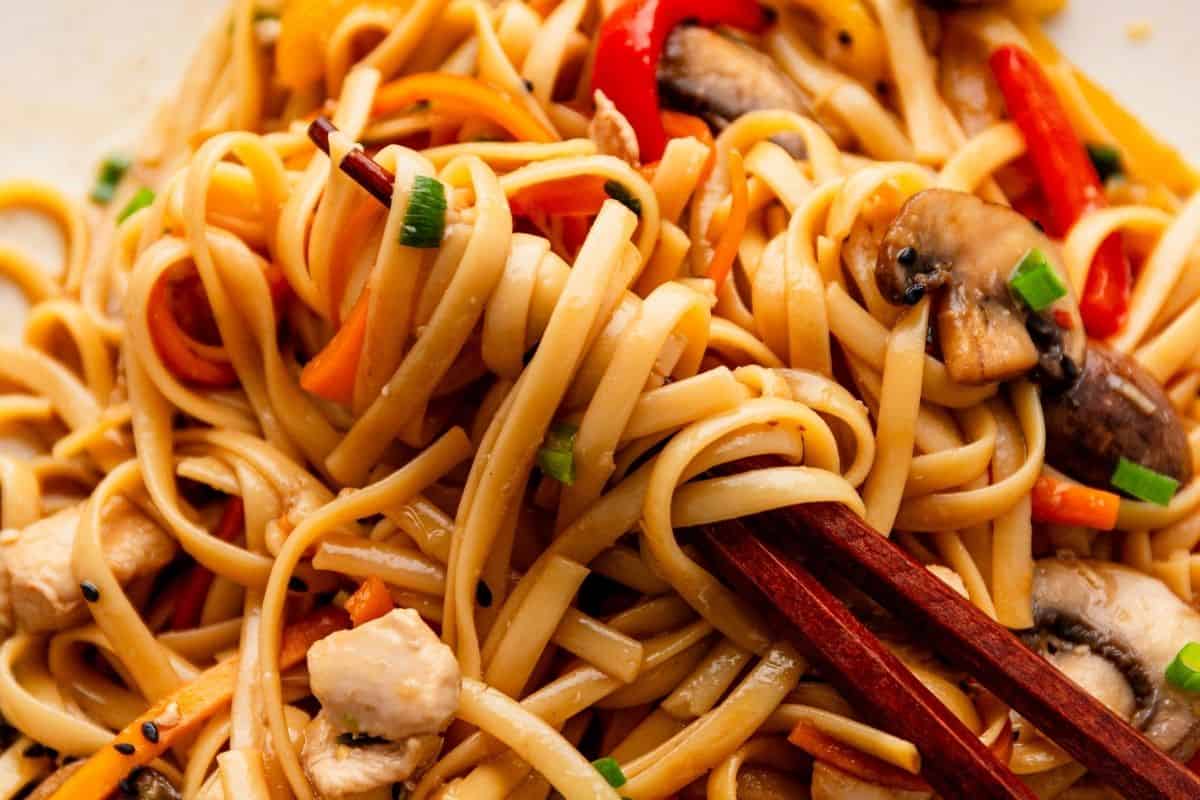
Popular Variations of Chow Mein and Lo Mein
Both chow mein and lo mein have a few variations depending on the region and available ingredients.
Chow Mein Variations
In the U.S., chow mein can range from the traditional Chinese-style stir-fried noodles to the crispy chow mein. Here, the noodles are pan-fried until they form a crispy crust.
Regional variations include different proteins. Some have chicken chow mein or shrimp chow mein, and different vegetable combinations.
Popular Asian Recipes RIGHT NOW


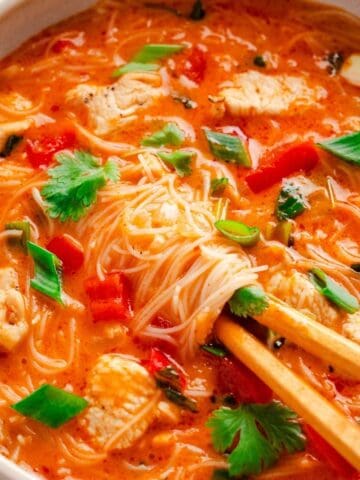
Lo Mein Variations
Lo mein can be found in a variety of flavors, from the classic Cantonese version to spicy Sichuan lo mein.
Different regions use specific ingredients like seafood, chicken, or beef, and include vegetables like bok choy, bell peppers, and carrots.

How to Choose Between Chow Mein and Lo Mein
Choosing between chow mein and lo mein is totally up to you and your preferences.
If you enjoy a slightly crispy texture and a stir-fried, smokier flavor, chow mein is your go-to dish.
If you prefer a dish with soft, saucy noodles that are infused with rich flavors, lo mein is the better option.
FAQ
Yes, in a pinch either noodle works, though the texture and how well it holds sauce will change slightly.
They're fairly similar nutritionally. Chow mein tends to be slightly lighter since the noodles are stir fried rather than tossed in extra sauce, but portion size matters more than the dish itself.
Yes, both dishes adapt easily to vegetables and tofu in place of meat.
Ways to Customize Each Dish
- Add extra protein. Shrimp, beef, or tofu work well in either chow mein or lo mein.
- Load up on veggies. Bok choy, snap peas, or bean sprouts add extra crunch and color to either dish.
- Turn up the heat. Add chili garlic sauce or extra red pepper flakes for a spicier version of either noodle dish.
Ways to Serve Chow Mein or Lo Mein
- Alongside spring rolls or egg drop soup for a full takeout-style meal.
- With extra lime wedges and chili flakes on the side.
- In bowls topped with fresh herbs like cilantro or Thai basil.
Before You Go
If this recipe made its way to your dinner table, I'd love to hear what you thought! Leaving a ★★★★★ rating and review below helps other readers and supports the work I do here at Cookrita. Thank you so much for being here. ❤️
More Cooking Tips
- How To Reheat Pasta
- How Long Does Pasta Last In The Fridge?
- 55+ Best Recipes and Drinks For 4th Of July
- How To Boil Pasta
Did You Like This Article?
Leave a comment below and share it on Facebook, Pinterest!
👨🍳 Rita's Favorite Kitchen Gadgets
 Buy Now →
Vegetable Chopper and Spiralizer
Buy Now → Buy Now →
  Buy Now →
  Buy Now →
  Buy Now →
KitchenAid Artisan Stand Mixer
Buy Now → Buy Now →
  Buy Now →
  Buy Now →
  Buy Now →
  Buy Now →
  Buy Now →
  Buy Now →
  Buy Now →
  Buy Now →
  Buy Now →
Pyrex Glass Food Storage Containers Set
Buy Now →
Comments
No Comments