


If there’s one kitchen tool that makes weeknight dinners easier and weekend meals more relaxing, it’s the slow cooker. With just a little planning, you can turn even budget-friendly cuts into fork-tender, flavorful meals.
What is the real secret to tender, flavorful slow cooker meat? Brown the meat first, use less liquid than feels right, and keep the lid shut. Every lift costs about 20 minutes of cooking time, and tough cuts like chuck and shoulder beat lean ones every time.
Families love that kind of comfort food, and a good pot roast or pulled pork can bring everyone to the table smiling.
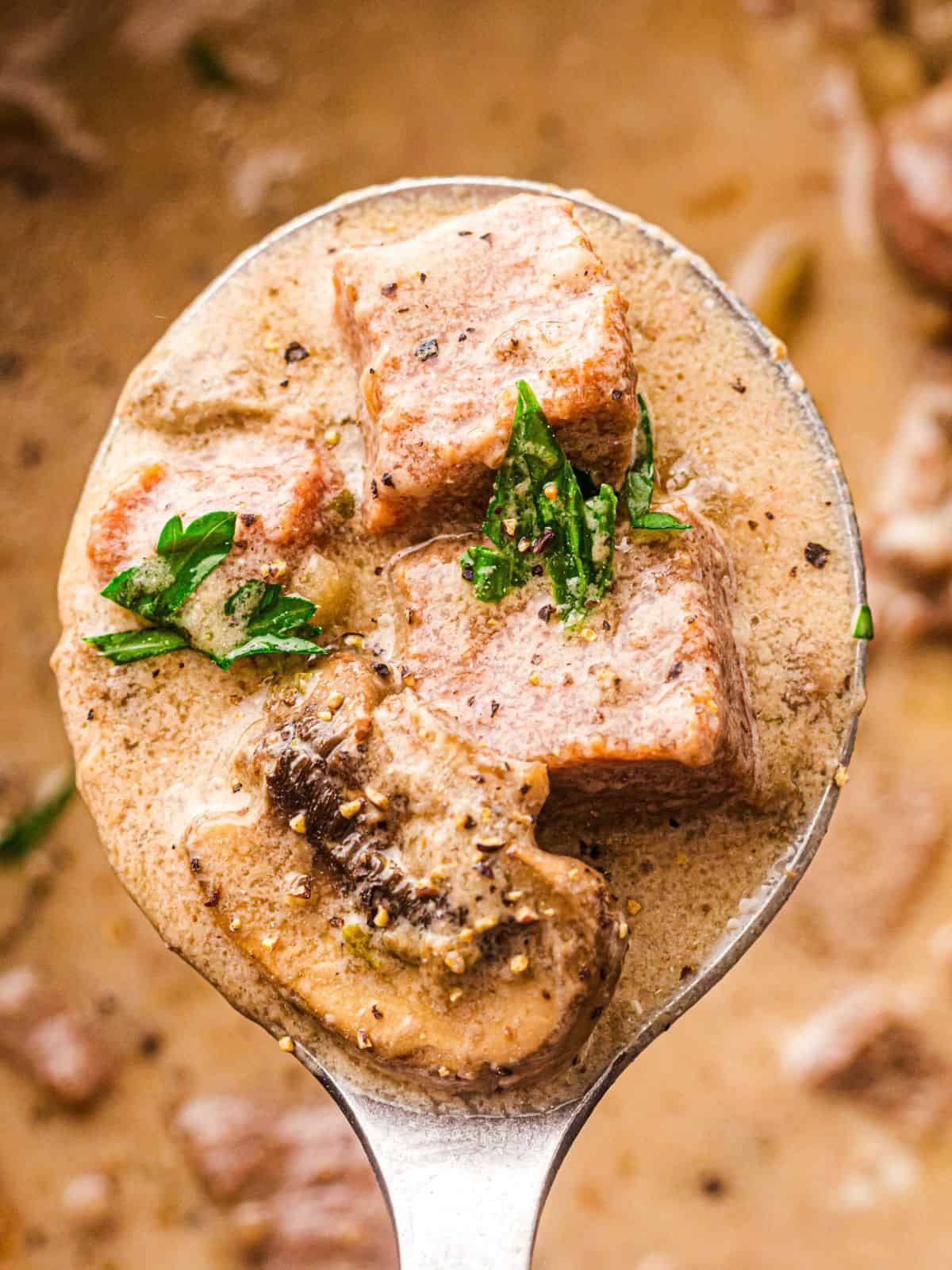
These 7 slow cooker tips will help you avoid dry, bland results and instead create meals that taste like you spent hours fussing over the stove.


The before and after difference is night and day, tough cuts become melt-in-your-mouth delicious, and your kitchen fills with cozy, savory aromas.
1. Choose The Right Cut Of Meat
Slow cookers are designed for cuts that benefit from long, low cooking times. Think chuck roast, pork shoulder, short ribs, or chicken thighs. These have more connective tissue and marbling, which breaks down over several hours, creating that tender, juicy bite. Leaner cuts like chicken breast or sirloin can easily dry out.
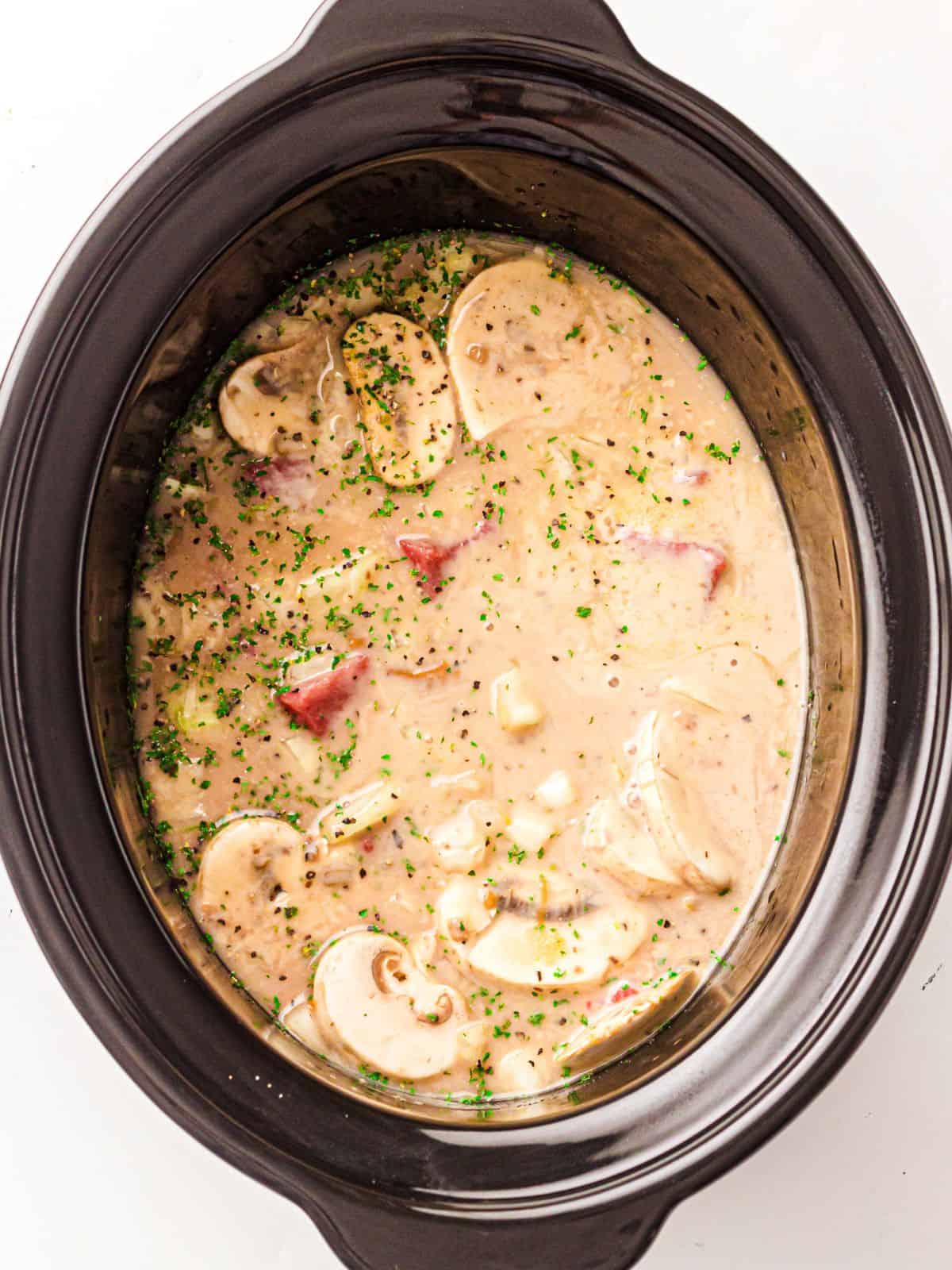
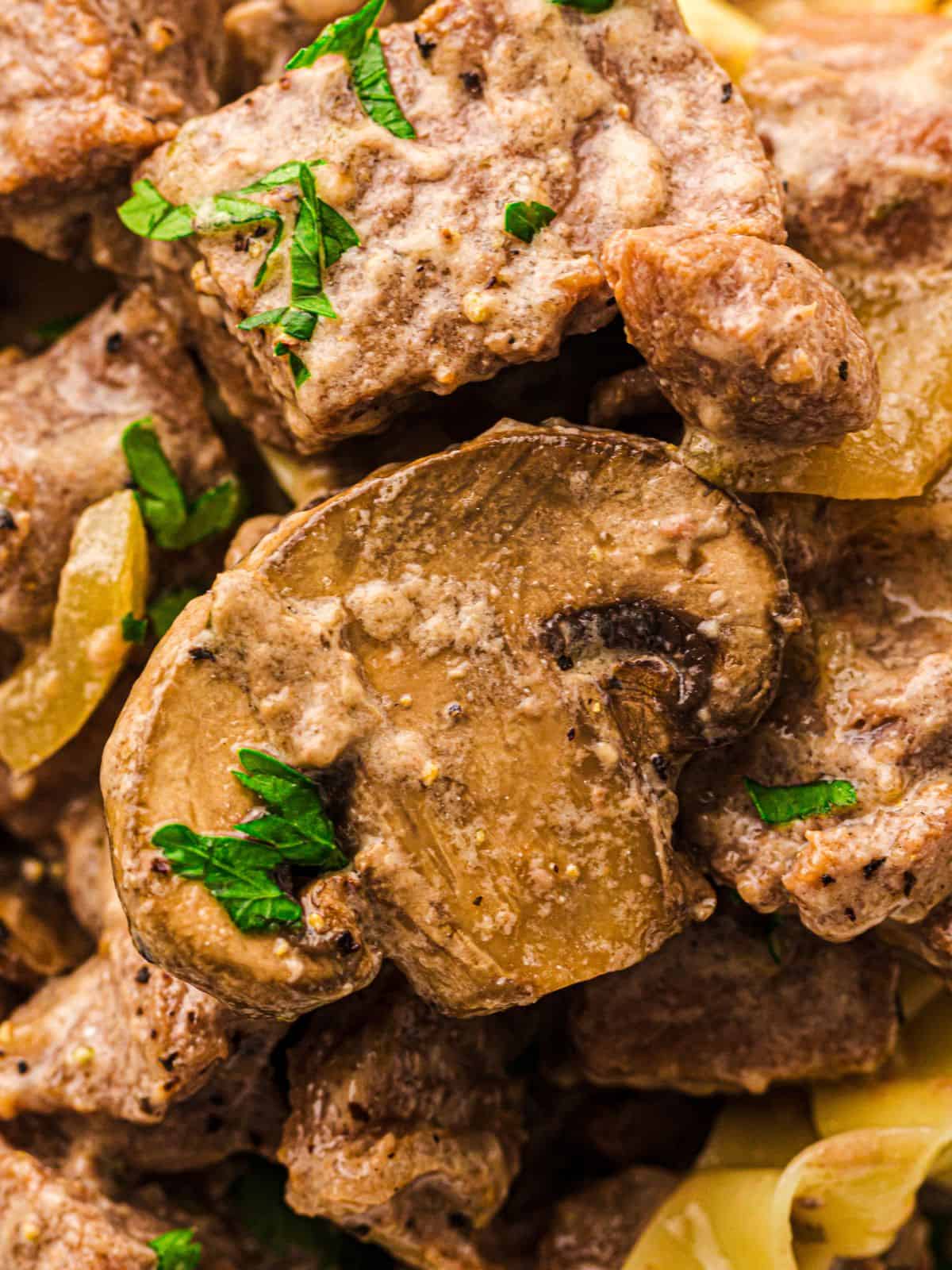
For example, if you’re making my Slow Cooker Beef Stroganoff, you’ll want to go with a chuck roast instead of sirloin tips for the best results.

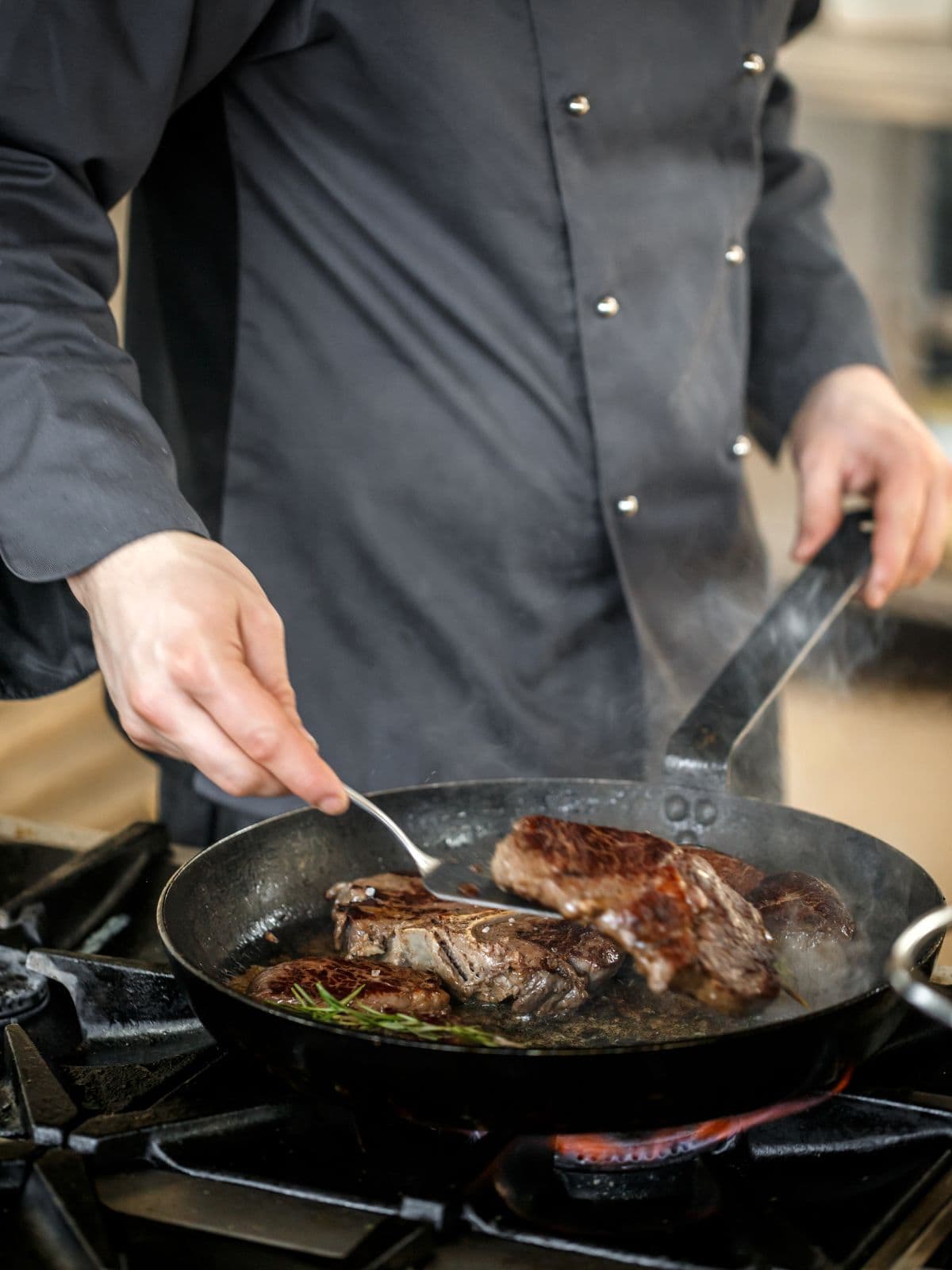
2. Brown The Meat First
It’s tempting to skip this step, but searing your meat before adding it to the slow cooker makes all the difference. A quick 2-3 minutes per side in a hot skillet builds a flavorful crust thanks to the Maillard reaction. That extra depth of flavor carries through the whole dish.
You don’t need to brown every piece of chicken for a soup, but for beef roasts and pork shoulders, it’s worth the effort.
3. Layer Ingredients Correctly
Heavy root vegetables like carrots, potatoes, or onions should go on the bottom of the slow cooker since they take longer to cook. Place the meat on top so it cooks evenly and absorbs the flavors rising from underneath. Liquids like broth, wine, or sauce should go in last.

This simple order of layering can mean the difference between mushy veggies and perfectly cooked ones.

If you love this recipe, you'll also want to try our 5 Creative Ways To Use Leftover Mississippi Roast.
4. Use The Right Amount Of Liquid
One of the most common mistakes is adding too much liquid. Unlike stovetop cooking, very little evaporates in a slow cooker. Most recipes only need 1-1.5 cups of liquid. If you’re using fatty cuts, they’ll release juices as they cook, creating even more liquid.
For a pot roast, for example, add just enough beef broth to cover the bottom third of the meat, about 1 cup for a 3-pound roast.
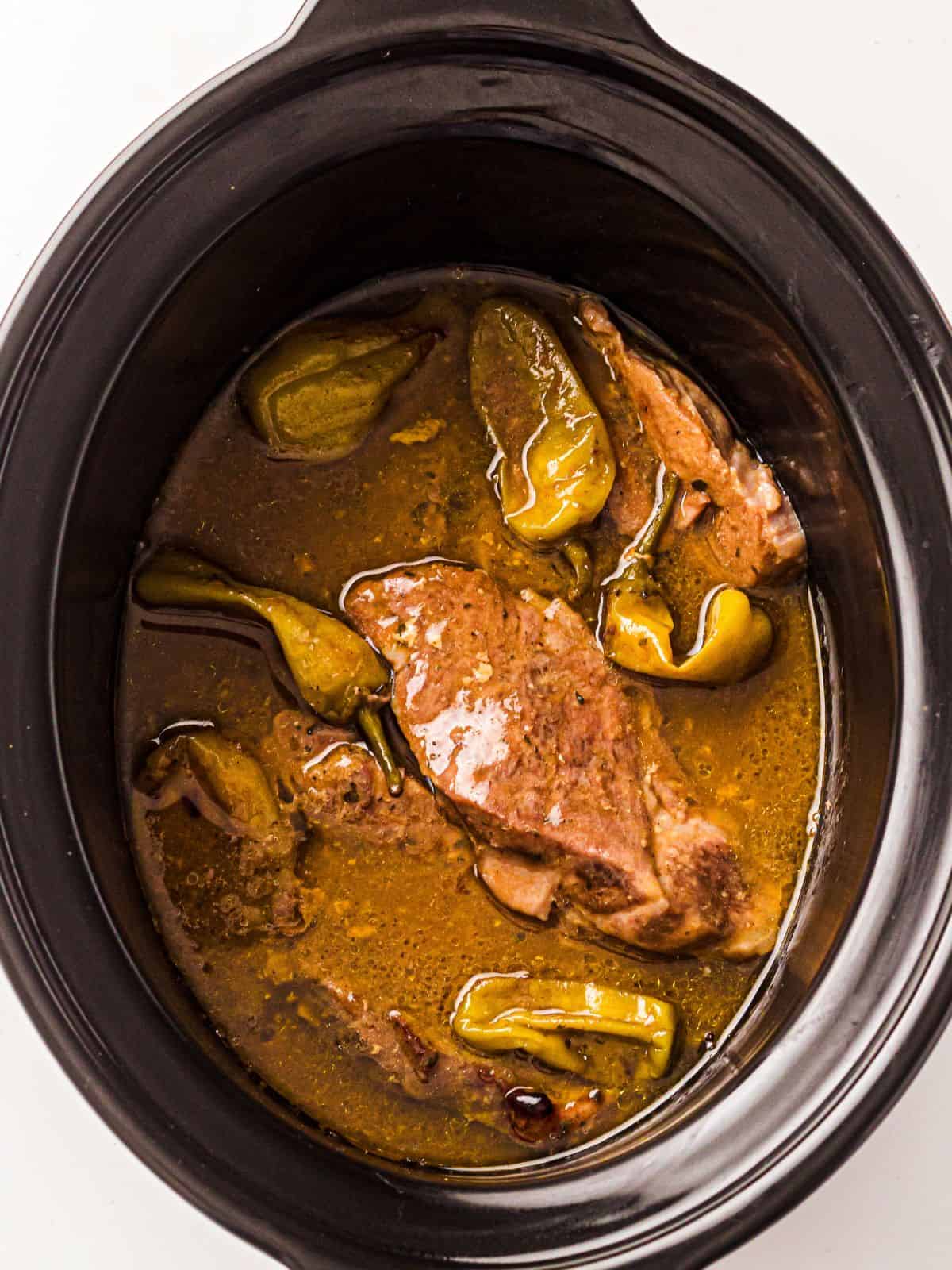
5. Resist The Urge To Peek
Every time you lift the lid, heat escapes, and it can take up to 30 minutes for the slow cooker to recover. That’s extra time added to your meal, and it can affect tenderness. Unless you’re stirring in something at the end (like sour cream or spinach), leave the lid on and trust the process.
I know it smells amazing, but patience really pays off here.
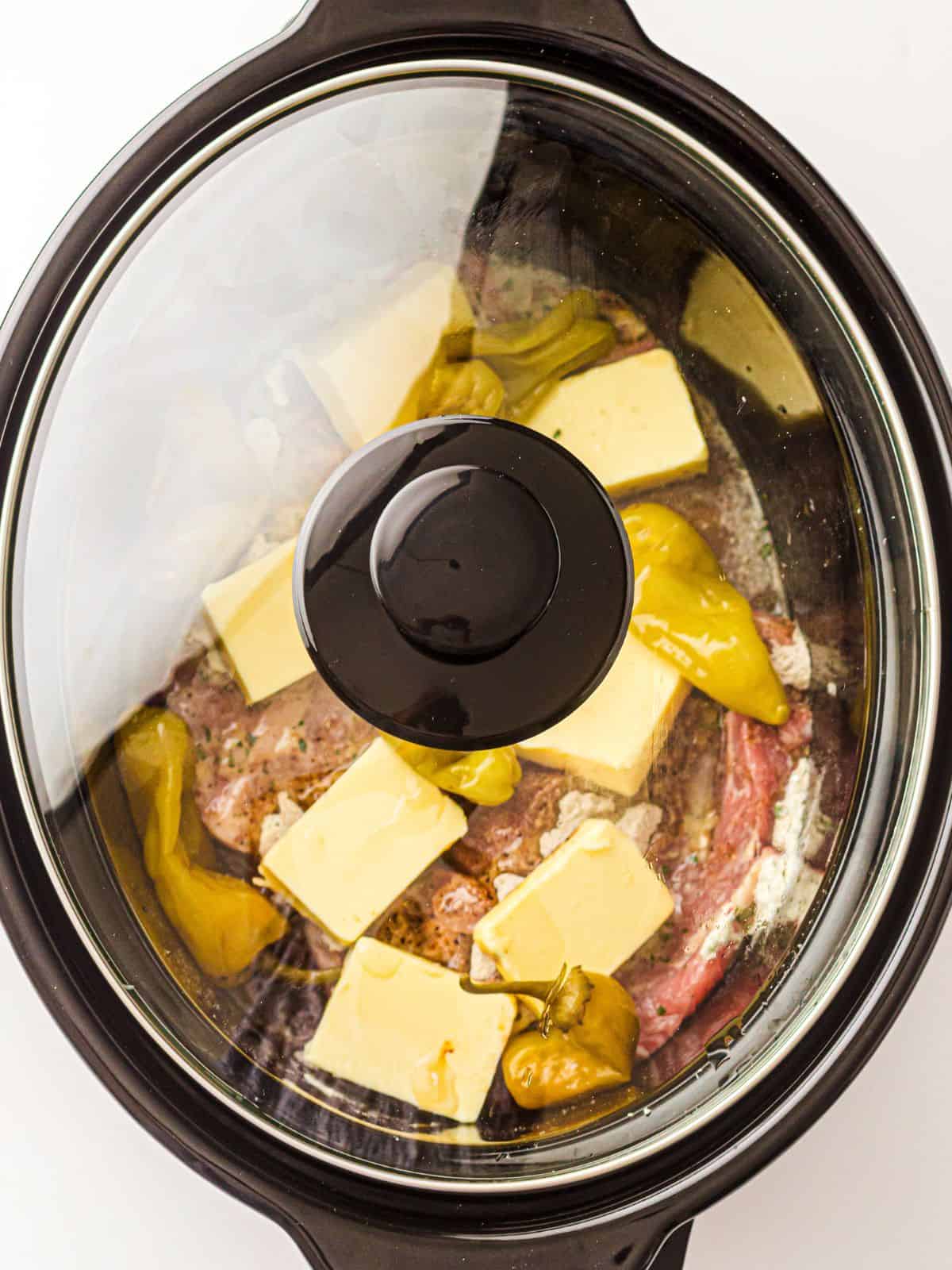
6. Add Fresh Herbs And Dairy At The End
Ingredients like basil, parsley, or cilantro lose their punch after hours of cooking. Stir them in during the last 15-30 minutes for maximum flavor. The same goes for dairy: sour cream, yogurt, and heavy cream can curdle if cooked too long.
For stroganoff, add sour cream in the final 10 minutes, just enough to warm it through and create that creamy sauce.
7. Give It A Rest Before Serving
Just like roasting in the oven, letting slow-cooked meat rest makes a difference. Turn off the slow cooker, keep the lid on, and let it sit for 10-15 minutes before serving. This allows the juices to redistribute, giving you moist, tender slices.
It also gives you time to set the table and call the family in.
Mix & Match Ideas
Once you get the hang of these slow cooker basics, the options are endless:
- Swap beef chuck roast for pork shoulder to make shredded tacos.
- Try chicken thighs with root vegetables for a lighter, family-friendly meal.
- Use these same tips to upgrade classics like chili or stew.
FAQs
Can I put frozen meat in the slow cooker?
It’s best to thaw meat first. According to the USDA, starting with frozen meat can keep it in the “danger zone” temperature too long, increasing the risk of foodborne illness.
What’s the difference between high and low settings?
Generally, cooking on “low” gives better results because the collagen has more time to break down. Use “high” only if you’re short on time, but know that the texture may not be as tender.
Do I need to stir during cooking?
No, unless your recipe specifically calls for adding something mid-way. The sealed environment of a slow cooker cooks evenly without constant stirring.
What slow cooker size is best for families?
For a family of 4-6, a 6-quart slow cooker is versatile enough for roasts, soups, and stews. Smaller 3-4 quart cookers are better for dips or side dishes.
You'll Also Love These Meat Recipes
- Slow Cooker Mississippi Pork Roast
- Slow Cooker Honey Ginger Chicken Thighs
- Slow Cooker Beef Stew With Mushrooms (Gluten-Free)
Did You Like This Article?
Leave a comment below and share it on Facebook, Pinterest!
Tips for Different Cuts of Meat
- Tougher cuts. Chuck roast, brisket, and pork shoulder need a full 7 to 8 hours on low to become fork tender.
- Leaner cuts - chicken breast cooks much faster and can dry out, so check it closer to the 4 hour mark on low.
- Bone-in cuts. Bone-in pork shoulder or short ribs add extra flavor to the cooking liquid as they cook.
Ways to Use Your Slow Cooked Meat
- Shredded for tacos, sandwiches, or sliders.
- Sliced for a Sunday roast dinner with vegetables.
- Over rice or mashed potatoes with the cooking juices spooned on top as a simple gravy.
FAQ
It's not recommended for food safety reasons. Thaw meat in the fridge first so it heats through the danger zone quickly and evenly.
Tougher cuts like chuck roast or pork shoulder actually need the full low-and-slow cook time to break down. Pulling them out too early leaves them chewy.
Searing isn't required, but it adds a deeper flavor and better color. Skip it if you're short on time; the dish will still taste good.
Before You Go
If this recipe made its way to your dinner table, I'd love to hear what you thought! Leaving a ★★★★★ rating and review below helps other readers and supports the work I do here at Cookrita. Thank you so much for being here. ❤️
More Cooking Tips and Guides



👨🍳 Rita's Favorite Kitchen Gadgets
 Buy Now →
Vegetable Chopper and Spiralizer
Buy Now → Buy Now →
  Buy Now →
  Buy Now →
  Buy Now →
KitchenAid Artisan Stand Mixer
Buy Now → Buy Now →
  Buy Now →
  Buy Now →
  Buy Now →
  Buy Now →
  Buy Now →
  Buy Now →
  Buy Now →
  Buy Now →
  Buy Now →
Pyrex Glass Food Storage Containers Set
Buy Now →
Comments
No Comments