

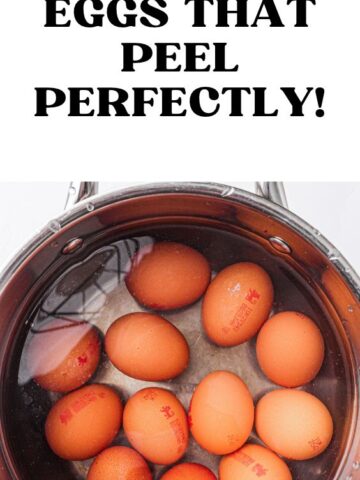
Eggs that peel cleanly come down to two things: starting with eggs that are at least a week old, and shocking them in ice water the moment they are done cooking.
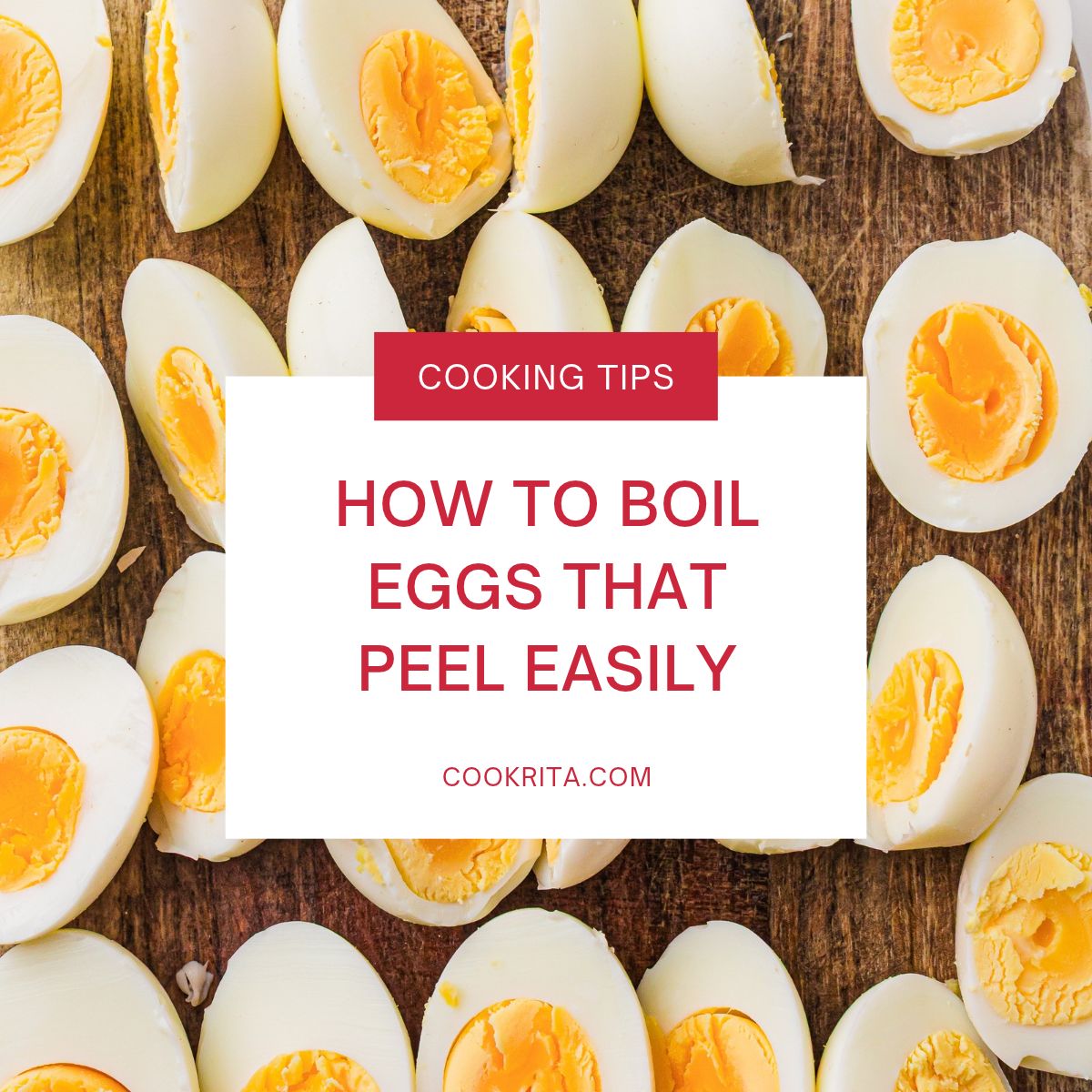
Fresh eggs are the number one reason hard boiled eggs stick to the shell. Here is the method that gets a clean peel almost every time, plus exactly how long to cook them for each doneness.
Disclosure: This post contains affiliate links from Amazon, Target, and other partners. If you purchase through one of my links, I may earn a small commission at no extra cost to you. Thank you for supporting my blog!
Jump To
Why Fresh Eggs Are Harder to Peel
A fresh egg has very little air between the shell membrane and the white, so the two stick together as the egg cooks. As eggs sit in the fridge for a week or two, that air pocket grows, which is exactly what lets the shell release cleanly. Buy your eggs ahead of time if you plan to boil a big batch.


The Method
- Use large eggs that are at least a week old, straight from the fridge. Older eggs peel much more cleanly.
- Set the eggs in a single layer in a pot and cover them with an inch of cold water. Do not stack them, or the ones on top cook unevenly.
- Bring the water to a full rolling boil over high heat, uncovered. For 6 to 12 eggs this takes about 10 minutes.
- Turn off the heat, cover the pot and start a timer for the doneness you want, using the times below.
- Move the eggs straight into a bowl of ice water for at least 5 minutes. This stops the cooking and helps the shell release.
- Crack the shell all over by tapping and gently rolling the egg on the counter, then peel under running water starting at the wide end, where the air pocket sits.
👩🍳 You'll find the complete list of ingredients below the recipe card.
Timing by Doneness
- Soft, jammy center: 6 to 7 minutes off heat.
- Medium, slightly soft center: 9 minutes off heat.
- Fully hard boiled: 11 to 12 minutes off heat.
- Using medium eggs, take off 1 minute. Using extra large or jumbo eggs, add 1 to 2 minutes.
More Peeling Tips
- Peel eggs under a thin stream of running water, which helps separate the membrane from the white.
- Roll the egg gently on the counter to crackle the shell evenly all over before you start peeling.
- Add a splash of vinegar or a spoon of baking soda to the cooking water, which some cooks find helps the shell release.
- Peel a test egg from the batch first. If it sticks badly, let the rest sit in the ice water a few extra minutes.
What to Make With Your Hard Boiled Eggs
Once you have a batch of perfectly peeled eggs, here is where mine end up.
- Best Ever Deviled Eggs, creamy, classic and always the first plate to empty.
- Spicy Deviled Eggs, when you want a little heat.
- Asparagus Salad with Peas and Soft Boiled Eggs, using the six minute jammy eggs from the chart above.
- Russian Potato Salad, the Olivier salad that needs a whole carton of eggs.
Hard Boiled Egg Questions
How long do hard boiled eggs last in the fridge?
One week in the shell, kept in the fridge. Once peeled, eat them within a few days and keep them in a covered container with a damp paper towel to keep them from drying out.
Why is there a green ring around my egg yolk?
That is from overcooking or cooling too slowly, caused by a reaction between sulfur in the white and iron in the yolk. It is harmless to eat, but shocking eggs in ice water right away prevents it.
Can I hard boil eggs ahead for deviled eggs or a salad?
Yes, boil and peel them up to three days ahead and store them whole in a covered container in the fridge. Cut or mash them the day you plan to serve them for the best texture and color.
Use eggs that have been in the fridge at least a week, shock them in ice water, and peel under running water. That combination fixes almost every sticking problem.

More Recipe Collections
- 25 Spring Desserts: Lemon, Berry, Carrot and Coconut Bakes
- 27 St Patrick's Day Recipes: Cabbage Dinners, Irish Classics and Treats
- 26 Easter Dinner Sides Beyond the Ham
- 28 Easter Brunch Recipes You Can Make Ahead





Comments
No Comments